.png)



Trægulve Vi har et stort udvalg af trægulve til enhver smag! Se vores enorme udvalg af trægulve nedenfor, hvor vi er sikre på, at du finder noget, der er præcis, hvad DU kan bruge. 245 produkter |
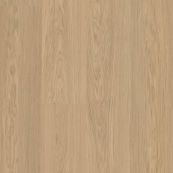
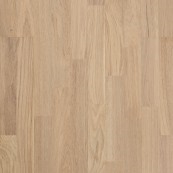
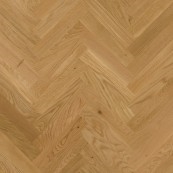
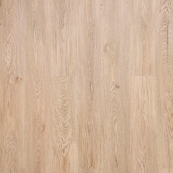
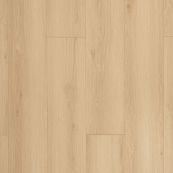
Hvilke typer trægulve findes der?
Et trægulv kan bestå af enten planker, brædder, laminerede brædder, lægter eller blokke. Inden for hvert produkt findes der mange konstruktioner, kvaliteter, træsorter og priser.Massivt parket og lamelparket
Planker
Blokke
Trægulve opdeles også ofte i 2 kategorier; nemlig bærende og ikke-bærende. I et bærende trægulv er gulvbrædderne tykke. Det betyder, at de kan bære vægten af møbler, maskiner og mennesker. Trægulve lægges på bjælker eller et underlag af for eksempel strøer, som gulvet derefter sømmes fast til. Bærende trægulve kan være brædde- og plankegulve samt parketbrædder.
For trægulve, der ikke er bærende, skal du lægge et bærende undergulv. Du kan lægge et ikke-bærende gulv som et flydende. Det betyder, at trægulvet kan bevæge sig frit i forhold til det bærende undergulv, eller du kan sømme eller lime det fast til underlaget. Lamella og blokgulve, men også parketlægter er ikke-bærende trægulve.
Gulvbrædder er massive træbrædder, der derefter høvles og bearbejdes. De fås i flere tykkelser og bredder, og længden kan variere meget. Oftest vil du opleve en spændingsrille på bagsiden af selve brædderne. Dette er for at modvirke, at brædderne krummer. Gulvbrædder kaldes ofte også planker. Brædder, der skal være selvbærende, skal have en tykkelse på mindst 2 cm, og jo tykkere brædderne er, desto større afstand kan der være mellem understøtningerne.
Der findes et stort udvalg af træsorter og varianter. Alle har deres egne egenskaber, som er relevante for trægulve. Ikke alle træsorter er lige velegnede som nye trægulve. Gulvbrædder fås både i nåletræ og hårdttræ, for eksempel.
Fordele ved trægulve
Træ er et levende materiale. Det udvider og trækker sig derfor sammen afhængigt af luftfugtigheden, hvor trægulvet er placeret.Brædder og planker er velegnede til for eksempel ældre bygninger, hvor der ikke er et fast undergulv. Hvis du installerer brædder i nye bygninger uden strøer, skal de lægges på nye strøer. Søm til fastgørelse af brædderne skal vælges efter trætypen og skal kunne fastgøres korrekt. Du kan også fastgøre brædderne til strøerne med skruer, som kan forsænkes, hvorefter skruehullet kan lukkes med en træprop.
For mange er massive trægulve elegante og varme i overfladen med træets naturlige udtryk. Trægulve, der er lagt på strøer eller bjælker, er mere elastiske og mere behagelige at gå på og bidrager til god akustik i rummet. Massive plankegulve på strøer bidrager til et bedre indeklima, da de absorberer og afgiver fugt til rummet. Et massivt trægulv kan slibes mange gange og har derfor en meget lang levetid. De fleste lamelopbyggede trægulve kan også slibes flere gange. Hvor mange gange det er muligt afhænger af slidlagets tykkelse. Slidlaget skal være mindst 2 mm tykt, for at gulvet kan slibes.
Eg er et slidstærkt trægulv og et fantastisk materiale. Det er også et af de mest holdbare trægulve, der findes. Det er hårdttræ, som har været brugt som nyt trægulv i mange år. Man ser ofte smukke egetræsgulve i slotte, herregårde m.m., hvor egetræsgulvet er gammelt, men stadig i topstand.
En af de mange gode egenskaber ved egetræsgulve er deres årestruktur. De naturlige mønstre i egetræ udvikler sig og ældes smukt. Det giver egetræsgulve deres særlige udseende. De varme nuancer i egetræsplankegulve har gjort eg meget populært. Egetræsplankegulve går aldrig af mode.
Der er flere gode grunde til at vælge trægulve.
Trægulve er et robust materiale og meget modstandsdygtigt over for slid. Trægulve er også naturlige, da de stammer fra en naturlig ressource. Trægulve giver ofte meget behagelige overflader, og der findes næsten ingen andre materialer, der giver så varieret en overfladestruktur som et nyt trægulv. Et nyt trægulv er også behageligt, let fjedrende at gå på, og føles ofte varmt. De forskellige materialer giver mulighed for forskellige mønstre og udtryk. For eksempel et lyst trægulv – og samtidig et slidstærkt trægulv.Trægulve er også meget behagelige at arbejde med. Et trægulv er nemt at håndtere og installere, uanset om du selv lægger det eller får håndværkere til det. Et plankegulv er et af de mest holdbare trægulve. Sildebensparket holder også meget længe. Dog er de lysere træsorter som fyr, bøg og gran mindre holdbare trægulve.
Overvej trægulve i dine planer
Ikke alle trægulve er lige velegnede til installation. For eksempel bør trægulve ikke installeres i badeværelser. Det er vigtigt at sikre, at trægulve er egnede til det sted, hvor de skal bruges. Du bør også overveje, om et trægulv er en fornuftig løsning i køkken, bryggers eller kælder. I køkken og bryggers bliver et trægulv udsat for meget slid, og hvis du vælger trægulv her, bør du vælge et slidstærkt gulv. I kældre er der fugt, som du skal være opmærksom på i forhold til et nyt trægulv.I nogle rum slides et trægulv mere end i andre rum – ofte i rum med meget trafik. Derfor er det vigtigt at overveje, hvor dit trægulv skal placeres. I køkken og entré er der typisk meget gangtrafik, og her bliver gulvet udsat for mere slid. Her er et slidstærkt trægulv med god modstandsdygtighed at foretrække. Det er også vigtigt at tage hensyn til underlaget. Trægulve kan lægges på et plant underlag, mens du skal sikre, at gulvet er selvbærende, hvis det lægges på bjælker eller strøer. Hvis du har gulvvarme, skal du også sikre, at dit trægulv er egnet til dette.